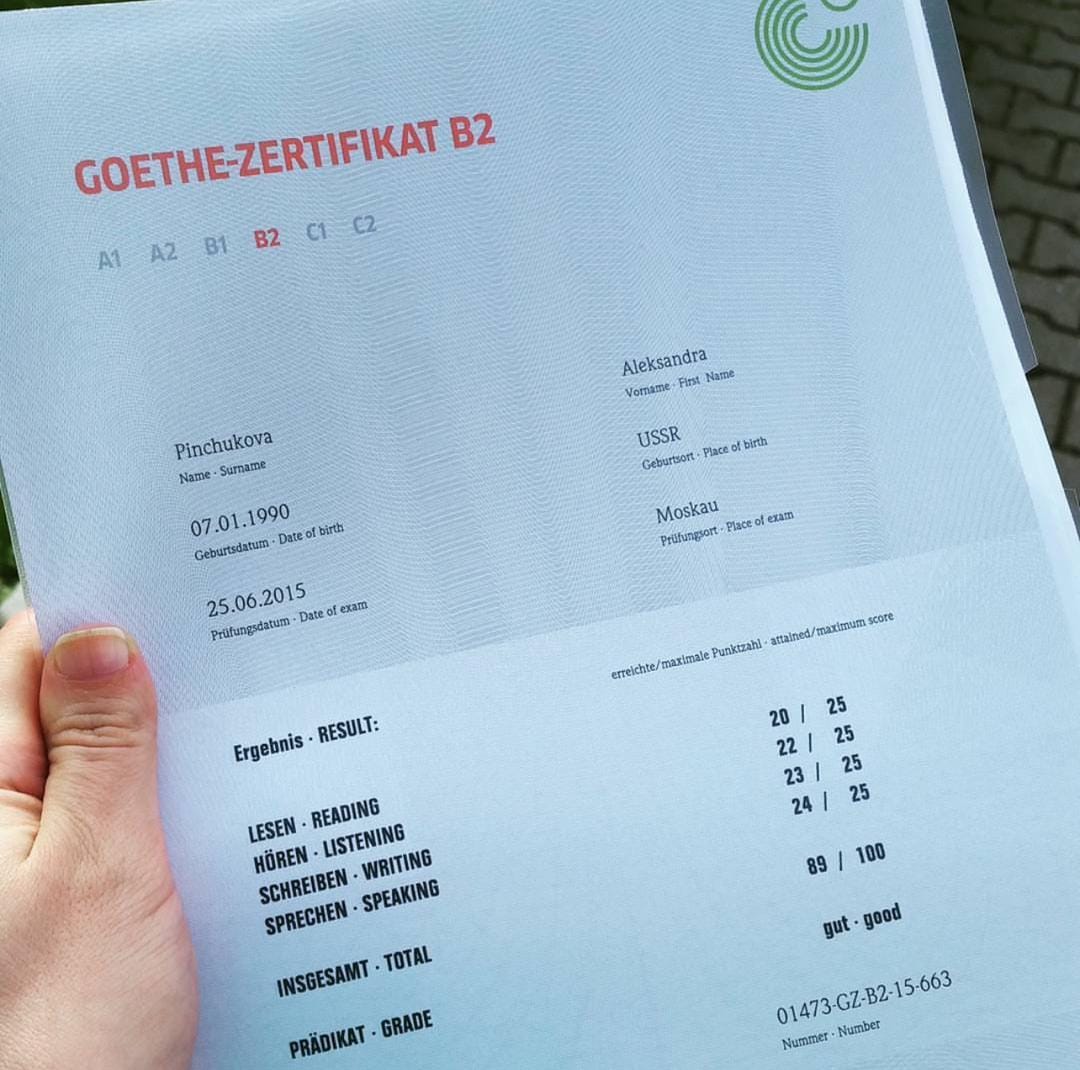
Understanding the B1 Certificate: A Gateway to English Proficiency
The B1 Certificate, particularly referred to as the B1 Preliminary (formerly called PET or Preliminary English Test), is a necessary credentials for people seeking to show their English language efficiency at an intermediate level. This accreditation is administered by Cambridge Assessment English and is commonly recognized by educational organizations, employers, and governmental organizations.
In today's global environment, efficiency in English is more vital than ever. Organizations are progressively looking for prospects who can communicate effectively in English, whether for academic functions, job prospects, or personal development. The B1 Certificate works as a testament to a person's language abilities, suggesting a strong foundation in English that permits them to participate in daily conversations and comprehend key points in different contexts.
The Importance of the B1 Certificate
The B1 Certificate plays a considerable function in personal and professional advancement. Here are some benefits that highlight its value:
Table 1: Benefits of the B1 Certificate
| Benefit | Description |
|---|---|
| Enhanced Career Opportunities | Numerous companies choose candidates with recognized language accreditations as a working with criterion. |
| Access to Education | Universities and colleges might require language accreditations for non-native English speakers. |
| Improved Communication Skills | Preparing for the B1 exam assists improve speaking, listening, reading, and composing abilities. |
| Personal Satisfaction | Attaining the B1 Certificate is a personal accomplishment, boosting self-confidence in English use. |
| Structure for Further Study | The B1 Certificate prepares for progressing to higher levels (B2, C1, C2). |
What Does the B1 Certificate Assess?
The B1 Preliminary exam evaluates candidates on 4 crucial language abilities: reading, writing, listening, and speaking. These elements ensure that individuals can communicate successfully in diverse real-life situations.
Table 2: B1 Certificate Exam Components
| Component | Focus | Duration |
|---|---|---|
| Checking out | Understanding texts such as short articles, e-mails, and brochures. | 45 minutes |
| Composing | Making up a brief letter or email, and writing a message. | 45 minutes |
| Listening | Understanding conversations and announcements. | Thirty minutes |
| Speaking | Participating in a discussion, discussing familiar topics. | 10-12 minutes |
In-depth Breakdown of Each Component
Checking out:
- Students will read numerous texts to answer understanding questions.
- Jobs might include matching details or picking the right response from numerous options.
Writing:
- Candidates are required to compose two brief texts, such as a letter or a postcard.
- Emphasis is put on correct grammatical structures and vocabulary usage.
Listening:
- Audios will be played in a variety of accents and contexts, consisting of dialogues and monologues.
- Candidates must demonstrate understanding by responding to pertinent questions.
Speaking:
- In pairs, candidates will have to talk, express viewpoints, or interact on particular topics.
- Assessors try to find fluency, pronunciation, and coherence in speech.
Getting ready for the B1 Certificate
Preparation is vital for success in obtaining the B1 Certificate. Here is a structured approach to studying:
List 1: Tips for Effective Preparation
Take a Diagnostic Test:
- Identify your strengths and weak points in each language skill.
Research study Regularly:
- Allocate devoted time for each element of the exam.
Experiment Authentic Materials:
- Use textbooks, practice tests, and online resources that align with the B1 exam format.
Engage in Conversation:
- Join language exchange groups, tutoring sessions, or conversation clubs to practice speaking.
Make Use Of Online Resources:
- Websites such as Cambridge English and British Council deal important exercises, resources, and practice documents.
Enroll in Preparation Courses:
- Consider taking a structured course used by language schools or online platforms.
Mimic Exam Conditions:
- Practice under timed conditions to acquaint yourself with the exam format and pressure.
Regularly Asked Questions (FAQ)
1. Who should take the B1 Certificate?
The B1 Certificate appropriates for people seeking to enhance their English abilities for work, research study, or travel. It is particularly helpful for non-native speakers who want to show their language efficiency.
2. For how long is the B1 Certificate legitimate?
The B1 Certificate does not end; nevertheless, it is recommended to keep enhancing your language abilities as language proficiency can change gradually.
3. How much does it cost to take the B1 exam?
The exam charge varies by country and testing center, typically ranging from ₤ 100 to ₤ 200. Geothe Zertifikat 4 All is vital to consult the regional test center for exact prices.
4. What score do I require to pass?
The exam is graded on a scale of 140-210. A score of 140 or above is required to achieve the B1 Certificate.
5. Can I retake the B1 exam if I stop working?
Yes, candidates can retake the exam as lot of times as required up until they attain the wanted score.
The B1 Certificate is an important qualification for anyone looking to confirm their English language abilities. Whether for career advancement, academic chances, or individual growth, obtaining the B1 Certificate is a financial investment in one's future. As the worldwide landscape continues to develop, strong English proficiency opens doors to myriad opportunities, making the B1 Certificate a vital stepping stone for many. With proper preparation and determination, individuals can confidently approach this examination and demonstrate their skills in English interaction.